After the meeting: keeping the academic record useful
How photographs, recordings, programmes and the souvenir can work together without becoming interchangeable evidence.
More than a closing photograph
A conference leaves different kinds of records. The programme explains what was planned. Photographs preserve visible moments. A recording can preserve a discussion. A souvenir gathers messages, contributions and acknowledgements. The North West Zone AOICON archive brings these materials into one place, allowing readers to revisit the meeting after the three days have ended.
Giving each record its place
The existing archive links a Day 1 photo folder, an inauguration recording, Day 2 and Day 3 broadcasts, and a cricket-match recording. They serve different purposes. The cricket video belongs to the social record, while the scientific broadcasts belong to the academic record. Keeping those labels visible helps readers find the material they want without suggesting that all media carry the same educational status.
A wider conversation about ENT care
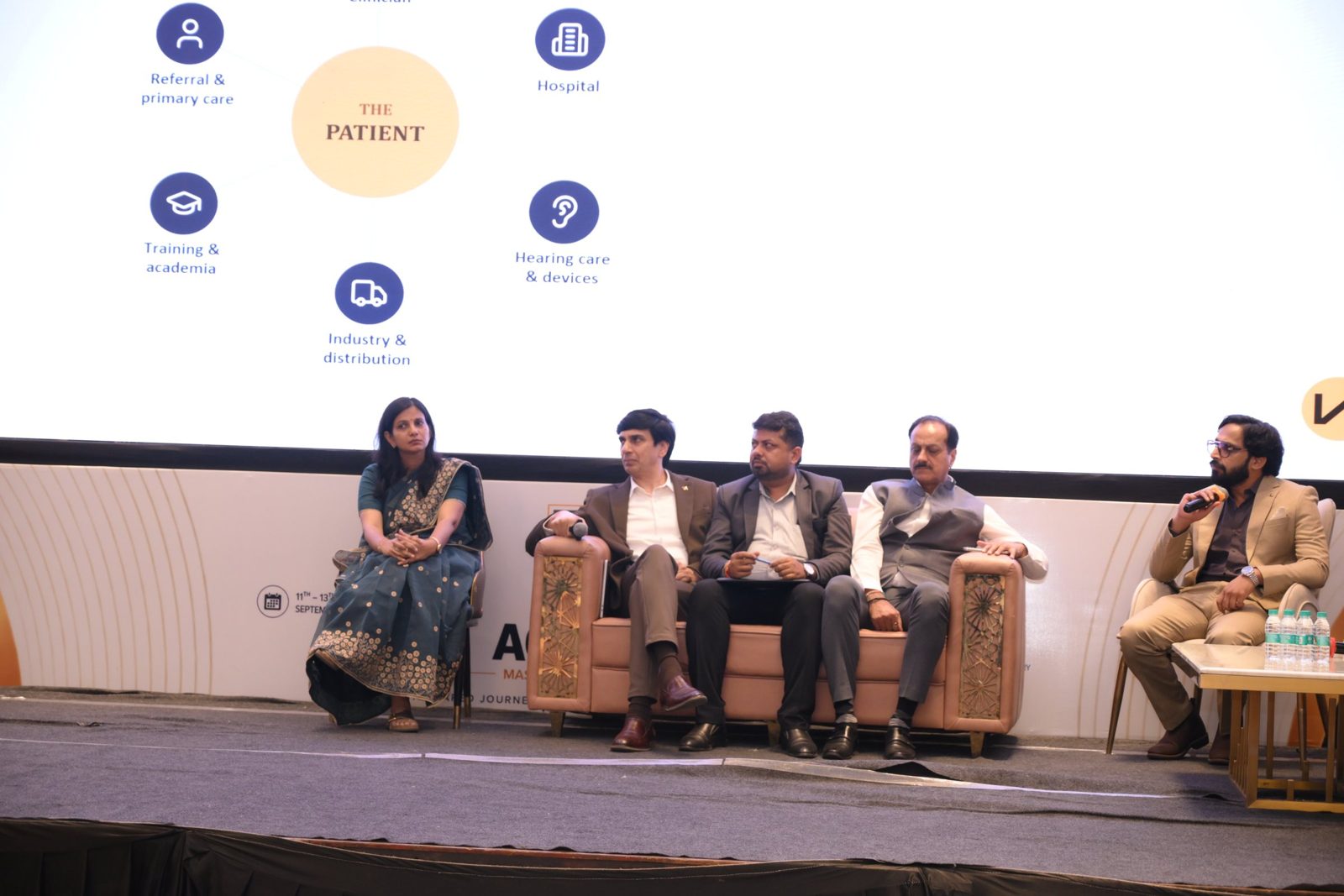
The Foundation’s partner record includes photographs of the ENT Healthcare Ecosystem panel and exhibition activity. These images document a setting in which clinicians, institutions and industry were represented. They do not establish the effectiveness of a product or an endorsement by every participant. earKART is identified in the source record as the Exclusive Technology & Innovation Partner; that relationship should remain visible wherever partner-related material is discussed.
What a continuing archive can offer
A useful archive gives a reader a route from an article to a session, from a session to its programme entry, and from there to an available recording or approved resource. It should also make corrections possible. A changed caption, a clarified role or an updated recording link is part of maintaining the record, rather than a reason to leave old information unexamined.
Limits and next contributions
This feature is based on the public conference pages and selected existing photographs. The linked recordings have not been transcribed or independently reviewed for this edition. We therefore do not attribute statements to their speakers or present clinical takeaways from them. Contributors can propose a focused reflection, but any quotation, slide, clinical image or case material needs appropriate checking and permission before republication.